
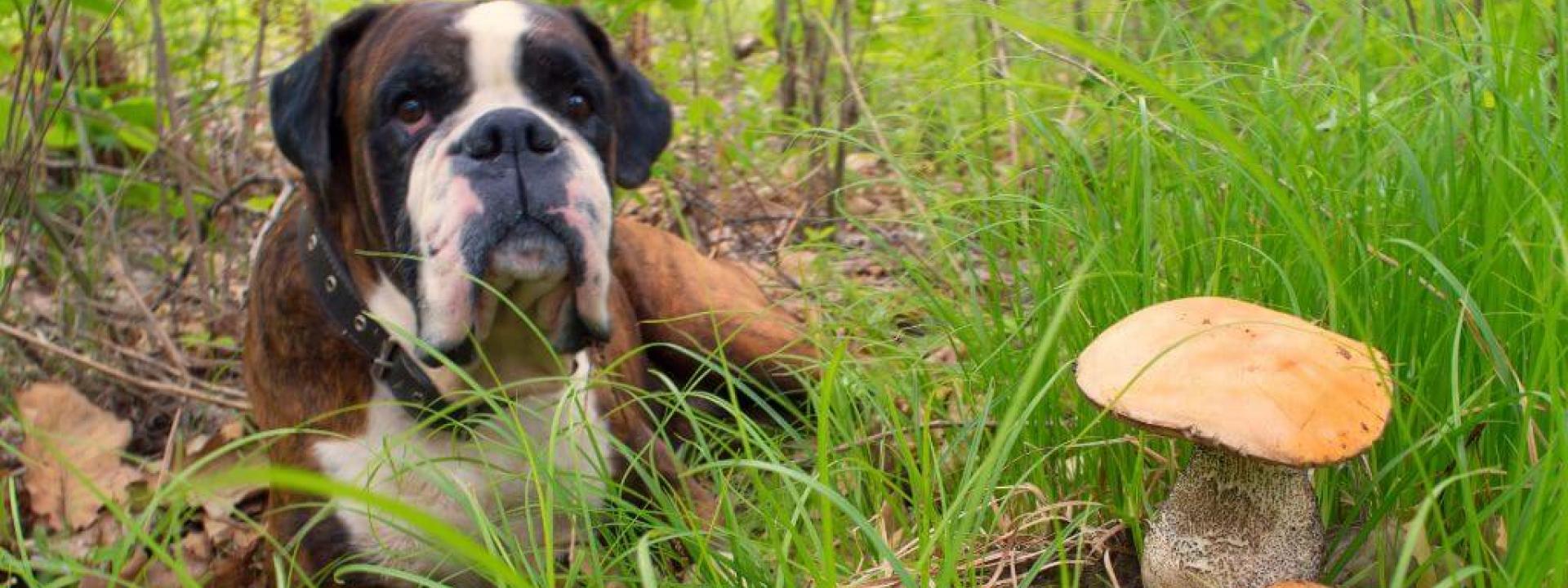
Mushrooms can seem to appear all around your yard overnight, especially after rain, warm weather, or a stretch of damp conditions. One day the lawn looks normal, and the next day there are small caps growing near a tree, along the fence, in mulch, or right where your dog likes to sniff. For many pet owners, yard mushrooms can be worrisome because it's often hard to tell which ones are harmless and which ones are dangerous. Some mushrooms cause mild stomach upset, while others can affect the liver, nervous system, or other organs. Since pets, especially dogs, may eat things before we can stop them, mushrooms in the yard should be taken seriously.
Are Yard Mushrooms Dangerous for Pets?
Some yard mushrooms are not toxic, but others can be harmful or even life-threatening if eaten. Because thousands of mushroom species exist and many look similar, being able to identify them on sight can be difficult even for people with experience. Pet owners shouldn't assume a mushroom is safe based on color, size, location, or whether it's appeared in the yard before.
If your four-legged family may have eaten a mushroom, contact your CFV team at (843) 471-1711 or animal poison control (888) 426-4435 right away.
Not every mushroom exposure becomes an emergency, but early guidance can help you understand what to watch for and what your pet may need next. A simple rule of thumb: keep pets away from any mushroom you could not confidently identify as non-toxic.
Why Dogs and Cats May Eat Mushrooms
Dogs are often more likely than cats to investigate mushrooms outdoors. They may sniff, paw at, chew, or swallow them during a walk through the yard. Some dogs eat mushrooms because they're curious, while others may be drawn to scent, texture, or the way mushrooms stand out from the grass.
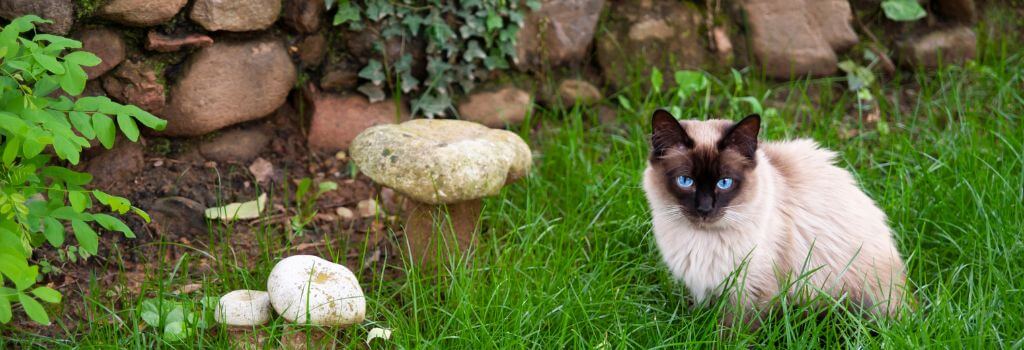
Cats may be less likely to have access to or eat yard mushrooms, especially if they live indoors, but exposure can still happen for cats who go outside, live in enclosed patios, or investigate potted plants. Like many unfamiliar objects, mushrooms can attract pets simply because they are new, unusual, or within reach. Small pets, like kittens or petite cats, may also be at higher risk from a smaller amount of toxin because of their size.
Why “My Pet Seems Fine” Is Not Always Reassuring
Some mushroom toxins cause signs quickly, with pets exhibiting symptoms soon after contact with the mushroom. Others may have delayed effects, meaning a pet can seem normal at first and become ill later on. Depending on the mushroom, signs of toxicity or illness may involve the stomach and intestines, nervous system, liver, kidneys, or multiple body systems.
Because the timing and severity can vary, it's better to call and get help early than to wait and watch at home after a known or suspected ingestion. We can help you decide whether your pet needs to be seen right away. Just call or text us at 843-471-1711.
Signs of Mushroom Poisoning in Pets
Signs of mushroom poisoning can vary widely because different mushrooms contain different toxins. Some pets develop vomiting or diarrhea. Others may show drooling, weakness, tremors, seizures, yellowing of the gums or eyes, changes in behavior, or collapse.
UC Davis School of Veterinary Medicine lists possible signs of mushroom toxicity in dogs as the following symptoms:
- Digestive signs: Vomiting, diarrhea, drooling, nausea, loss of appetite, or belly discomfort.
- Neurologic signs: Tremors, wobbliness, weakness, disorientation, agitation, or seizures.
- Liver-related signs: Yellow gums or eyes, severe lethargy, vomiting, or unusual behavior.
- Urgent changes: Collapse, trouble breathing, repeated vomiting, bloody diarrhea, or extreme weakness.
- Delayed illness: A pet who seemed normal after eating a mushroom but becomes sick hours later still needs prompt care.
What to Do If Your Pet Eats a Mushroom
If you see your pet eat a mushroom, move them away from the area and contact our CFV staff or ASPCA poison control right away. Don't wait for symptoms, and don't try to make them vomit unless a veterinary professional specifically tells you to do so.
If it is safe, collect a sample of the mushroom. Wear gloves or use a bag to pick it up, and include the whole mushroom if possible, including the base. Take clear photos of the mushroom where it was growing, along with photos of the top, underside, stem, and nearby area. This information may help with identification and give the veterinarian insight into how to proceed with treatment.
Information to Have Ready When You Call
When you contact the veterinarian, share your pet's species, weight, age, the time of possible ingestion, how much may have been eaten, whether symptoms are present, and where the mushroom was found. If you have photos or a sample, mention that too. Merck Veterinary Manual explains that treatment for mushroom toxicosis is primarily focused on decontamination and supportive care because there are no proven antidotes for mushroom toxicosis. This is one reason early contact is important. The sooner your veterinary team knows what happened, the sooner they can recommend the safest next step.
How to Reduce Mushroom Risk in Your Yard
Mushrooms grow when conditions are right, often in damp, shaded areas with decaying organic matter. They may appear in lawns, mulch, garden beds, near tree roots, around old stumps, or in areas where leaves and debris collect.
You may not be able to stop every mushroom from growing, but you can reduce your pet’s access and remove visible mushrooms promptly. Check the yard after rain, during warm, damp weather, and before letting a curious dog outside unsupervised.
- Scan the yard regularly: Look near trees, mulch, fence lines, shaded corners, and damp patches.
- Remove mushrooms promptly: Pick them before they break apart or release more spores.
- Dispose of them securely: Place mushrooms in a sealed bag and put them in a trash container your pet cannot access.
- Limit access to risky areas: Use leashes, gates, or temporary fencing if mushrooms keep returning in one spot.
- Reduce damp debris: Rake leaves, remove decaying wood when possible, and avoid leaving piles of organic material where pets play.
When Yard Mushrooms Should Be Treated as Urgent
Any known or suspected mushroom ingestion deserves a call to a veterinary professional. It becomes more urgent if your pet is already showing symptoms, ate multiple mushrooms, ate an unknown wild mushroom, is very small, is a puppy or kitten, is senior, or has an existing health condition.
Seek emergency care right away if your pet is vomiting repeatedly, has diarrhea with blood, seems weak, is stumbling, has tremors or seizures, collapses, has pale or yellow gums, or seems unusually quiet or disoriented. These signs can point to a more serious toxicity or another medical problem that needs immediate evaluation. Even if the mushroom turns out to be less concerning, you will not regret getting guidance early. Waiting can make treatment more difficult if the mushroom is toxic.
Should Pet Owners Be Worried About Mushrooms in the Yard?
Pet owners don't need to panic every time a mushroom appears, but they should treat yard mushrooms with caution. Because mushroom identification is difficult and toxic mushrooms can grow in ordinary yards, the safest approach is to remove mushrooms quickly and prevent pets from eating them. If your pet eats a mushroom or you suspect they may have, contact your veterinarian or a pet poison control service right away. Bring photos or a sample if you can do so safely. Fast, accurate guidance gives your pet the best chance of getting the right care if the mushroom is harmful.
If you have questions and you'd like to reach out to us, you can call us directly at (843) 471-1711, or you can email us at [email protected]. Don't forget to follow us on social media Facebook, Instagram.